





Titanium dioxide (TiO₂) may appear mundane as a white pigment, but in reality it undergirds vast segments of the global economy. Its unique combination of opacity, UV resistance, chemical stability, and safety makes it essential across coatings, plastics, packaging, cosmetics, and technical materials. There is no economically viable substitute at scale. This places TiO₂ at the center of industrial activity, influencing manufacturing competitiveness, infrastructure readiness, and consumer product quality.
Global annual TiO₂ demand is currently about 7.0-7.5 million metric tons, with paints and coatings accounting for a dominant share of use. Growth continues, driven by urbanization, building activity, automotive manufacturing, and expanding plastics consumption. Value creation is sustained but moderate, reflecting mature end markets and the commodity nature of the base product.
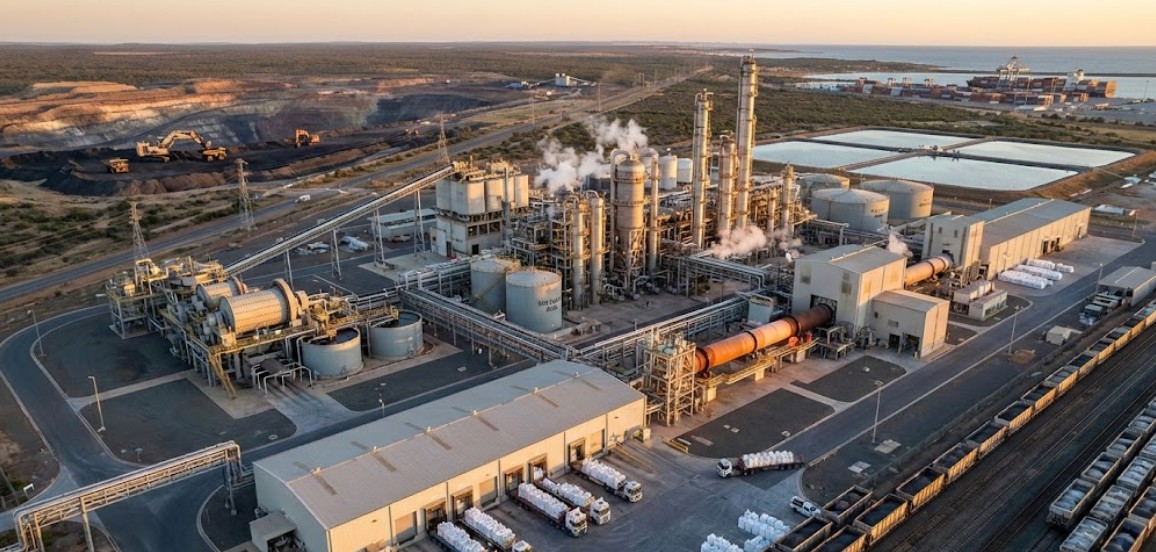
Structural dynamics, however, are shifting. The industry is capital intensive and technology differentiated. High grade chloride route facilities require very large capital commitments and access to advanced know how, whereas sulfate route plants – particularly in Asia – have historically grown through lower upfront cost and reliance on abundant ilmenite feedstock. Sulfate facilities generate multiple by product streams, including iron sulfate compounds, gypsum from neutralization, recoverable hydrochloric acid process streams, and sulfate salts, which when commercialized create incremental value and strengthen overall returns. This by product economics is often overlooked but meaningful, especially where regulatory regimes permit commercialization across sectors such as fertilizers, construction materials, and industrial chemicals.
China today is the largest producer and consumer of TiO₂. Its rapid expansion of sulfate based capacity has reshaped global trade flows and periodically exerted pressure on international pricing. Western producers, meanwhile, maintain strengths in chloride technology, specialty grades, and compliance with stringent environmental frameworks. Competitive advantage increasingly hinges on technology choice, feedstock access, environmental performance, and value added product portfolios.
Feedstock remains a strategic lever. Titanium minerals like rutile and ilmenite are geographically concentrated in a few jurisdictions, notably Australia, South Africa, and parts of North America. Producers that control upstream resources – from mining through beneficiation to pigment manufacture – demonstrate greater margin resilience and operational stability. Those reliant on external feedstock procurement bear greater exposure to global price swings and supply disruptions. As countries sharpen focus on critical materials security, feedstock access is moving from a cost issue to a national industrial priority.
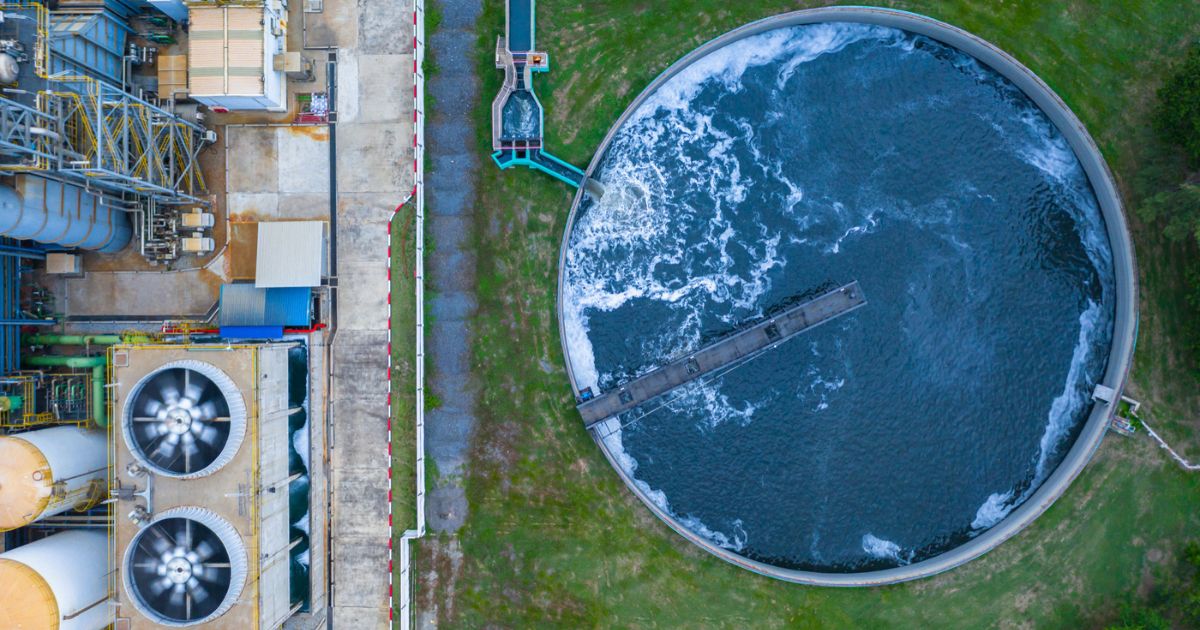
Environmental and carbon intensity considerations are altering competitive economics. Sulfate processes, while energy and waste heavy, benefit from monetizable co products. Incorporating low carbon power sources enhances competitiveness further. In contrast, regions with high carbon pricing and strict emissions enforcement favor chloride technology’s lower waste footprint. As sustainability metrics become integral to procurement and investment decisions, producers with credible decarbonization strategies and by product value capture will command a distinct advantage.
Competition within TiO₂ is bifurcating. One segment competes on scale and cost; the other competes on performance, specialty chemistry, and sustainability credentials. Long term value will increasingly accrue to producers that marry operational scale with differentiated offerings and responsible production.
Emerging economies, particularly India, exemplify both the challenge and opportunity. India’s domestic demand is growing rapidly, yet high grade TiO₂ remains predominantly imported. Developing local production capacity – especially through sulfate route facilities that fully leverage by product value – could enhance industrial competitiveness and reduce import dependency. However, overcoming capital hurdles, securing technology partnerships, navigating environmental permitting, and insulating operations from global cycle volatility are all necessary prerequisites.
Looking toward 2035, we anticipate continued consolidation as less competitive assets exit, a clearer premium for low carbon and specialty grades, and a rebalancing of global supply chains as governments seek to reduce strategic dependencies. TiO₂ is not a headline grabbing metal, yet its relevance spans housing, transport, consumer goods, and industrial systems. Ensuring reliable, sustainable, and competitive access to titanium dioxide is a practical imperative for business and nation alike.